
Long before the Stardust Hotel and Casino lit up the Las Vegas Strip with its iconic neon glow, the city of Las Vegas was a much different place. The history of Las Vegas before 1958 reveals a tale of transformation, ambition, and reinvention—themes that would come to define the city’s identity. This post explores the journey of Las Vegas from a small desert town to the glittering entertainment capital of the world, setting the stage for the arrival of the Stardust.
From Frontier Town to Railroad Hub
Las Vegas’ origins trace back to the early 20th century, when it was little more than a dusty stopover for settlers heading west. Its strategic location near water sources in the Mojave Desert made it a vital outpost. The city’s fortunes began to change in 1905, when the San Pedro, Los Angeles, and Salt Lake Railroad established a stop in Las Vegas. This transformed the area into a bustling railroad town, drawing settlers and businesses to the region. By 1911, Las Vegas was officially incorporated, though its population remained modest.
The Impact of the Hoover Dam
The 1930s marked a turning point for Las Vegas, thanks to the construction of the nearby Hoover Dam. Thousands of workers and their families flooded the area during the dam’s construction, bringing a significant economic boost to the fledgling city. The influx of workers also created demand for entertainment, sparking the growth of casinos, bars, and other attractions. While gambling was briefly outlawed in Nevada during the early 20th century, it was re-legalized in 1931—just as the dam project began—laying the foundation for the city’s future as a gaming hub.
The Emergence of the Las Vegas Strip
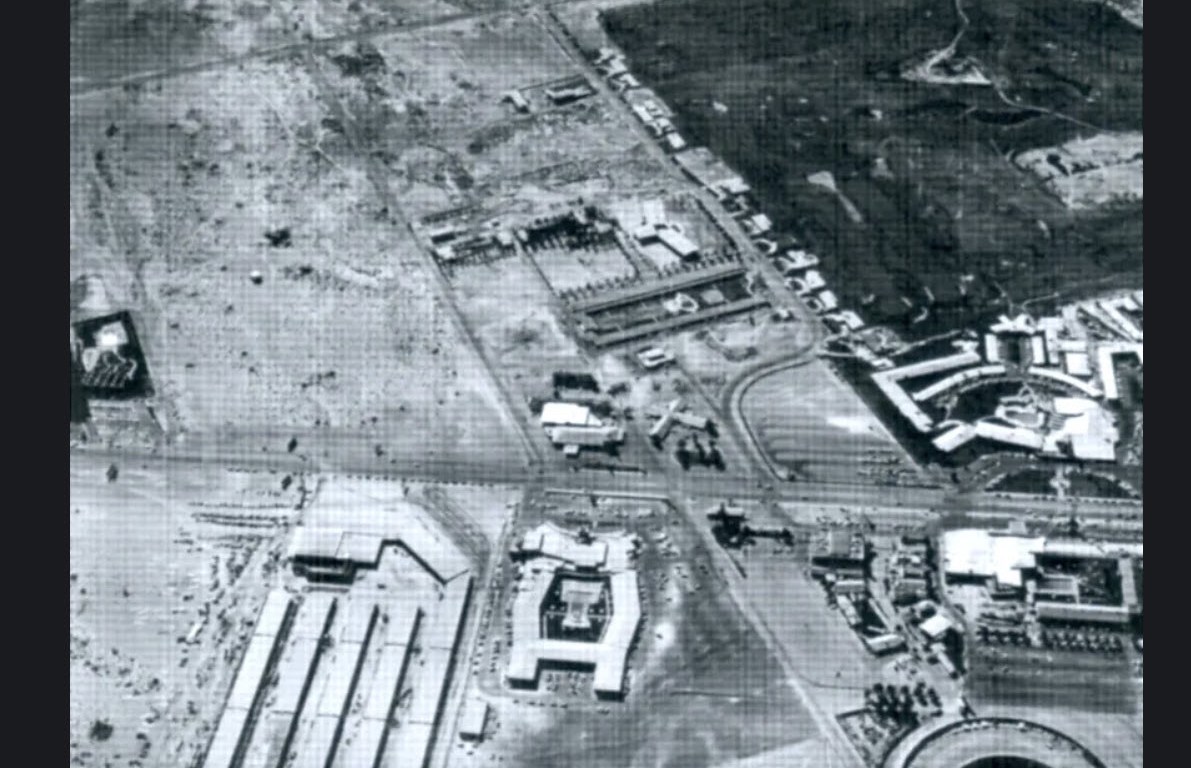
In the post-war years, Las Vegas experienced rapid growth, fueled by the rise of tourism and the allure of legalized gambling. The construction of the first major resorts along Highway 91 (what would later become the Las Vegas Strip) transformed the city’s image. The El Rancho Vegas, opened in 1941, was the first resort-style casino on the Strip, offering luxury accommodations, fine dining, and entertainment—a revolutionary concept at the time.
Following El Rancho’s success, other iconic properties like the Flamingo (famously backed by mobster Bugsy Siegel) and the Desert Inn opened their doors, attracting celebrities, high rollers, and tourists from across the country. The Strip became synonymous with glamour and excess, offering visitors a chance to escape into a world of fantasy.
Post-War Tourism Boom
The years following World War II saw a dramatic increase in tourism across the United States, and Las Vegas was perfectly positioned to capitalize on this trend. Advances in air travel made it easier for people to visit from distant cities, while the burgeoning highway system made Las Vegas a convenient road trip destination. The city’s combination of legalized gambling, vibrant nightlife, and luxurious resorts proved irresistible to post-war Americans seeking entertainment and indulgence.
Las Vegas also became a playground for the rich and famous. Frank Sinatra, Dean Martin, and other members of the Rat Pack turned the Strip into their personal stage, performing at hotels like the Sands and Riviera. These performances elevated Las Vegas’ profile, making it a must-visit destination for anyone seeking glamour and excitement.
The Stardust’s Moment Approaches
By the late 1950s, Las Vegas was poised for a new era of growth and innovation. The Strip had already established itself as the heart of the city’s tourism industry, but it was clear that each new property needed to outshine the last to attract attention. It was in this competitive and dynamic environment that the Stardust Hotel and Casino would make its debut, forever changing the landscape of Las Vegas. With its cosmic theme, record-breaking size, and futuristic design, the Stardust embodied the ambition and vision that defined the city.
The arrival of the Stardust marked a turning point, not only for the Strip but for the entire city of Las Vegas. But to fully understand its significance, it is essential to appreciate the context in which it emerged. Las Vegas in the years before the Stardust was a city in transition, growing from a desert oasis into a world-renowned destination. The Stardust would build on this legacy, setting new standards for what a Las Vegas resort could be and cementing the city’s reputation as a place where dreams become reality.

