
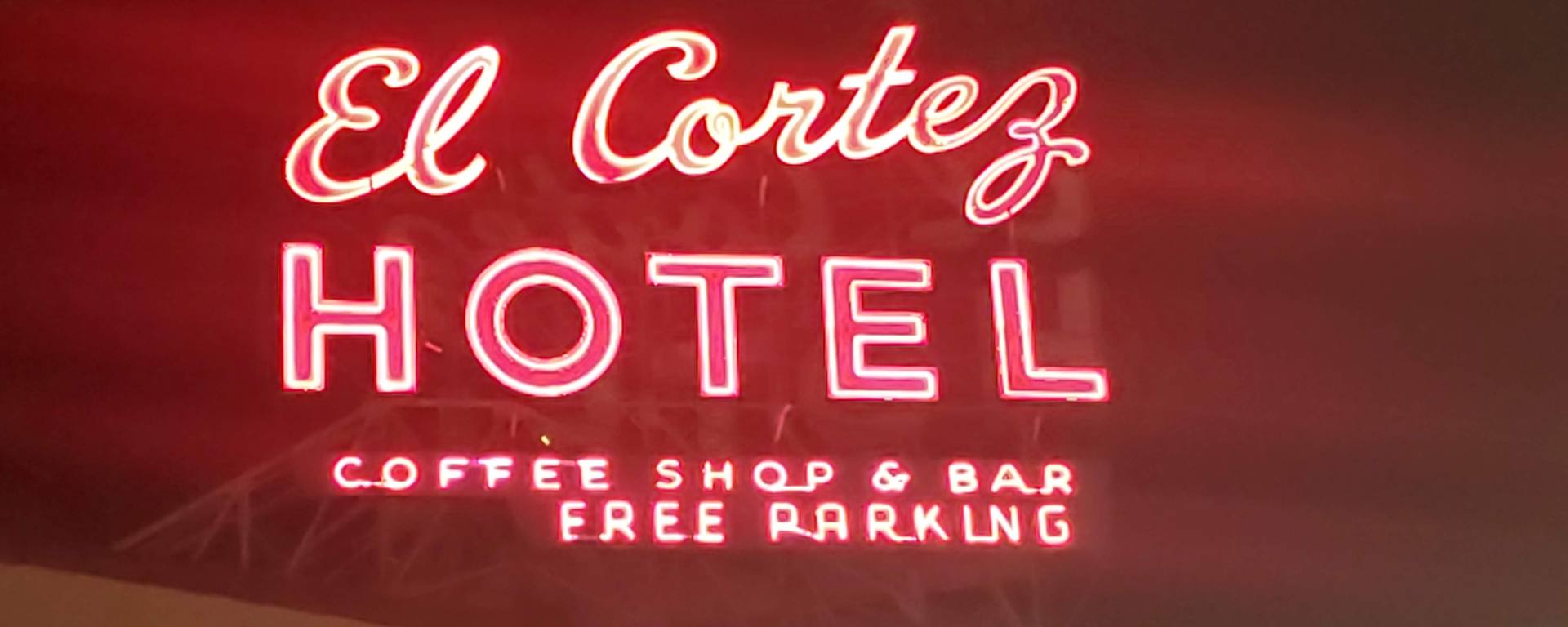
By the 1980s, Las Vegas had changed dramatically. The Strip had become the city’s postcard, stretching like a neon river to the south, while downtown was learning a new lesson in survival. Casinos like Bally’s, The Mirage, and Caesars Palace drew visitors with fountains, themed hotels, and spectacle. Fremont Street had to find its own voice in the shadow of that growth.
Jackie Gaughan, already a local legend, understood the challenge. He saw downtown not as a fading relic but as a space that could thrive if managed thoughtfully. Renovations began at El Cortez — modest by Strip standards, but meaningful. Rooms were updated, public spaces refreshed, and the casino floor polished, all while retaining the charm that had kept regulars loyal for decades.
Gaughan’s philosophy was simple: adapt without erasing the past. He believed that visitors could appreciate authenticity as much as spectacle. While the Strip offered fantasy and grandeur, downtown offered history and intimacy. In the lobby of El Cortez, one could see the echoes of the mob era, the early dreamers, and the steady hand of Gaughan’s management all coexisting.
Other downtown properties followed suit. The Golden Nugget expanded, new restaurants appeared, and the city began promoting Fremont Street as a destination distinct from the Strip. The introduction of neon canopy lighting in the mid-1990s gave the street a new identity, a sense of controlled spectacle that complemented rather than competed with the Strip.
Gaughan also focused on the human element. Dealers, cocktail servers, and bellhops who had worked decades in downtown casinos were treated as assets, not just employees. He encouraged mentorship, trained new generations, and cultivated a workforce that understood the street’s rhythms. This consistency created a bridge between eras, allowing tourists to feel connected to a living history.
Meanwhile, the business landscape was changing. Corporate ownership began to appear, investment capital flowed differently, and the regulatory environment grew more complex. Gaughan navigated this with characteristic pragmatism, selling some properties strategically while retaining El Cortez as the centerpiece of his downtown legacy.
By the end of the 1990s, El Cortez had become an emblem of resilience. It wasn’t the tallest, the flashiest, or the most visited, but it had survived the transition from railroad stop to mob hub to local-owned anchor. Gaughan’s hand had ensured that the casino remained relevant, respected, and authentic — a rare feat in a city where reinvention is the rule rather than the exception.
Fremont Street itself had evolved, blending nostalgia with modernization. Tourists could experience vintage Vegas alongside contemporary entertainment. Downtown had become a mosaic of eras, and El Cortez was the unifying thread, a symbol that in Las Vegas, history and innovation could coexist when guided by vision and care.

