
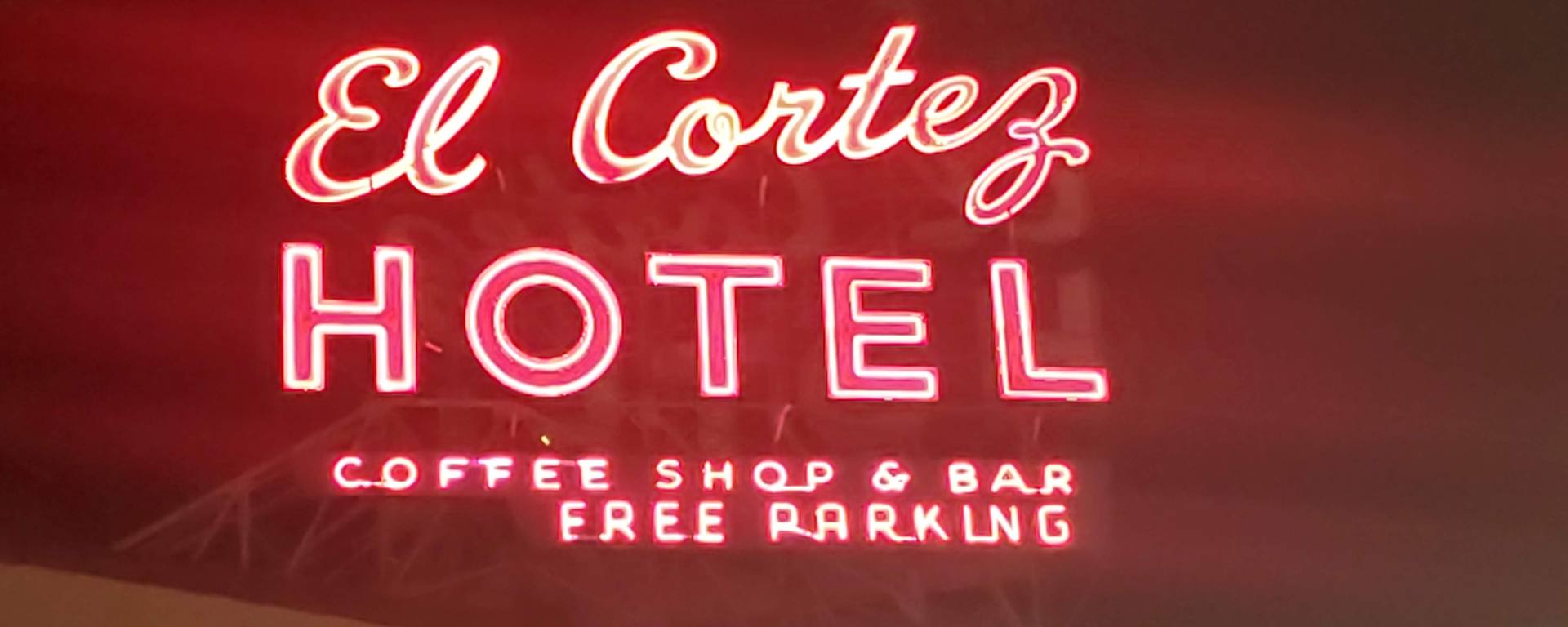
By the 1970s, Fremont Street had developed a rhythm of its own — a cadence between past and future, where the ghosts of The Mob lingered beside the hum of neon. The El Cortez remained a steadfast anchor, while around it, downtown pulsed with the tentative energy of reinvention.
The street was narrower than the Strip, but it had personality in abundance. Signs blinked in saturated pinks, blues, and greens, advertising cocktail specials at The Golden Nugget, the allure of poker at The Las Vegas Club, and the modest comforts of rooms at the Downtowner. Street performers juggled, sang, or danced, their talents stitched into the fabric of the city.
Tourists arrived in station wagons and compact sedans, drawn by curiosity and the promise of adult freedom just a few hours from California. They strolled past pawnshops, diners, and cocktail lounges, unaware that the pulse of America’s newest entertainment capital beat strongest here, before the Strip became synonymous with Las Vegas.
Locals had their routines. The regulars at El Cortez knew exactly which tables to claim, which dealers would favor them, and which slot machines held memories as much as jackpots. Bellhops greeted old friends at the door. Waitresses, some of whom had worked downtown for decades, moved between tables with practiced smiles, carrying stories as well as drinks.
The era was transitional. Downtown was no longer the only show in town, but it refused to surrender its history. On any given night, one could witness a tableau of contrasts: the gleaming new neon of corporate-owned casinos like Bally’s rising to the south, the modest, lived-in charm of the older establishments to the north, and pedestrians navigating both with equal fascination.
The 1970s Fremont Street was also a laboratory of Americana — a place where fashion, ambition, and vice collided in bright, audacious combinations. Elvis impersonators were everywhere, and occasionally, a real showgirl would step off the stage to take a photo with a tourist. The scent of grease and perfume mingled with the desert wind. Neon reflected in puddles from the occasional summer monsoon, creating small galaxies on asphalt.
In this environment, El Cortez seemed both timeless and necessary. It reminded the city that Vegas had roots, that its story had begun in small hotels, with modest ambitions and loyal patrons. The street itself was a mosaic of lives intersecting — gamblers, performers, tourists, and residents — all orbiting the glow of neon and the faint hum of possibility.
Downtown in the seventies was a lesson in contrast: nostalgia against ambition, modesty against spectacle, loyalty against reinvention. And standing quietly at the east end of the street, El Cortez bore witness to it all, a sentinel of continuity in a city addicted to reinvention.

