
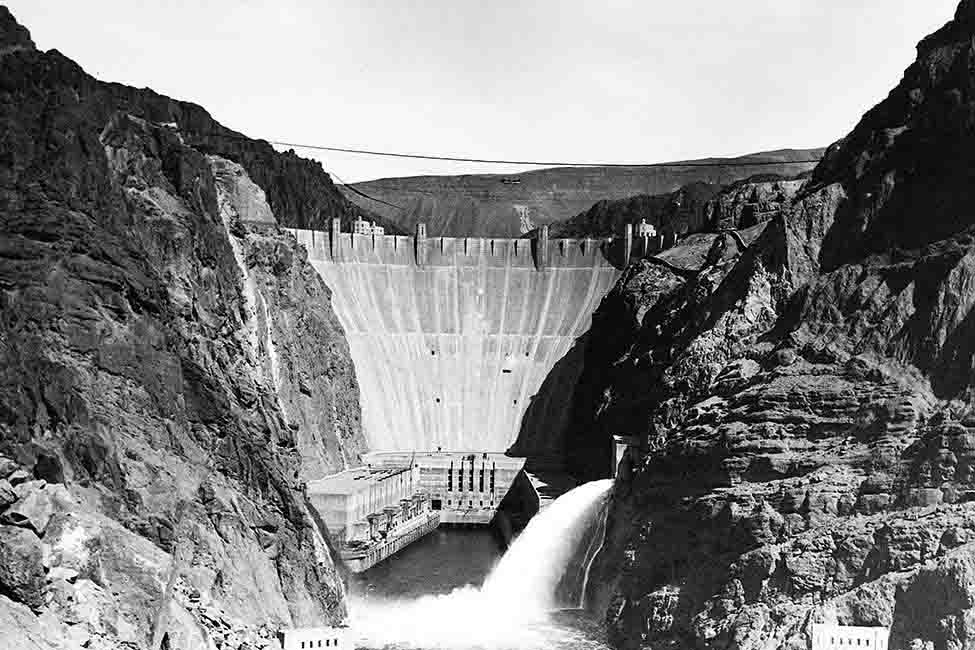
Brief History of the Hoover Dam
The Hoover Dam stands tall as a beacon of American ingenuity and determination, a symbol of a nation’s desire to harness the power of its rivers and control the forces of nature. It was built in the 1930s, during the height of the Great Depression, when the United States was in dire need of a public works project that would boost the nation’s morale and provide much-needed jobs.
Named after President Herbert Hoover, the Hoover Dam was a massive undertaking, requiring the construction of a massive concrete arch that would stretch over the Colorado River and control the flow of water from Lake Mead to the growing city of Las Vegas. The project was a marvel of engineering, with workers facing scorching heat, dangerous conditions, and the threat of collapsing rock faces.
Despite these challenges, the workers persevered, driven by the hope that their labors would bring prosperity to the nation. And when the Hoover Dam was completed in 1936, it did exactly that. The dam provided much-needed electricity to the growing city of Las Vegas, irrigated the farmland in the surrounding area, and attracted thousands of tourists every year, who marveled at its massive size and its role in shaping the American West.
Today, the Hoover Dam stands as a testament to the ingenuity and determination of the American people, a reminder of the power of human effort and the limitless potential of the human spirit.
Importance of the Hoover Dam
The Hoover Dam was not just a major feat of engineering, but also a symbol of the American spirit. At a time when the country was facing economic turmoil and widespread unemployment, the construction of the Hoover Dam provided hope and employment for thousands of workers, helping to lift the nation out of the Great Depression.
Beyond its economic impact, the Hoover Dam also had a profound impact on the environment and infrastructure of the American West. The dam controlled the flow of the Colorado River, providing a reliable source of water for irrigation and supporting the growth of cities like Las Vegas. Additionally, the dam’s hydroelectric power plant provided a clean and efficient source of electricity for the region, helping to spur industrial and economic growth.
The Hoover Dam also played a critical role in the development of the American West, providing the infrastructure necessary to support the growth of cities and industries in the region. It remains an important source of clean energy, recreation, and tourism, attracting millions of visitors every year who come to marvel at its beauty and grandeur.
In short, the Hoover Dam is a symbol of American ingenuity and determination, a testament to the power of human effort and the limitless potential of the human spirit.
Significance of the Hoover Dam in relation to Las Vegas
The Hoover Dam and Las Vegas are two symbols of the American West, forever intertwined in the story of the nation’s growth and development. The dam’s massive concrete arch spans the Colorado River, controlling the flow of water that nourishes the desert, while the lights of Las Vegas shimmer in the distance, a beacon of modernity and prosperity.
Las Vegas owes much of its growth and development to the Hoover Dam. The dam’s hydroelectric power plant provided the city with the energy it needed to grow, while the creation of Lake Mead, the largest man-made lake in the country, brought tourists flocking to the area for recreation and relaxation.
The Hoover Dam also played a critical role in shaping the identity of Las Vegas, helping to establish it as a center of entertainment, recreation, and leisure. The dam’s construction attracted thousands of workers to the area, many of whom stayed after its completion to build new homes and businesses, creating the vibrant and dynamic city that we know today.
Together, the Hoover Dam and Las Vegas stand as symbols of American ingenuity, determination, and spirit. They are a testament to the power of human effort and the limitless potential of the American West, and serve as a reminder of the beauty and wonder of the natural world.
Planning and Design
The Hoover Dam was a massive engineering project that required careful planning and design. The project was initiated by the U.S. Bureau of Reclamation, which was tasked with finding a solution to the problem of controlling the flow of the Colorado River and providing water and electricity to the growing cities in the region.

The Bureau of Reclamation conducted extensive studies and surveys to determine the best location for the dam, considering factors such as the availability of resources, the stability of the riverbed, and the potential for power generation. The final design for the Hoover Dam was a massive concrete arch that would stretch over the Colorado River and control the flow of water from Lake Mead to the surrounding cities.
The design of the Hoover Dam was a marvel of engineering, requiring the use of innovative techniques and materials to create a structure that could withstand the tremendous forces of the river. The dam’s massive size and unique design also required careful planning and coordination, as workers had to carefully coordinate their efforts to ensure the dam was built to exacting standards.
Despite the challenges, the planning and design of the Hoover Dam was a triumph of American engineering and ingenuity, paving the way for the construction of one of the most iconic structures in the country.
Challenges Faced During Construction
The construction of the Hoover Dam was not without its challenges. The remote location of the dam site, along with the harsh desert climate, presented significant obstacles to the workers and engineers who were tasked with building it.
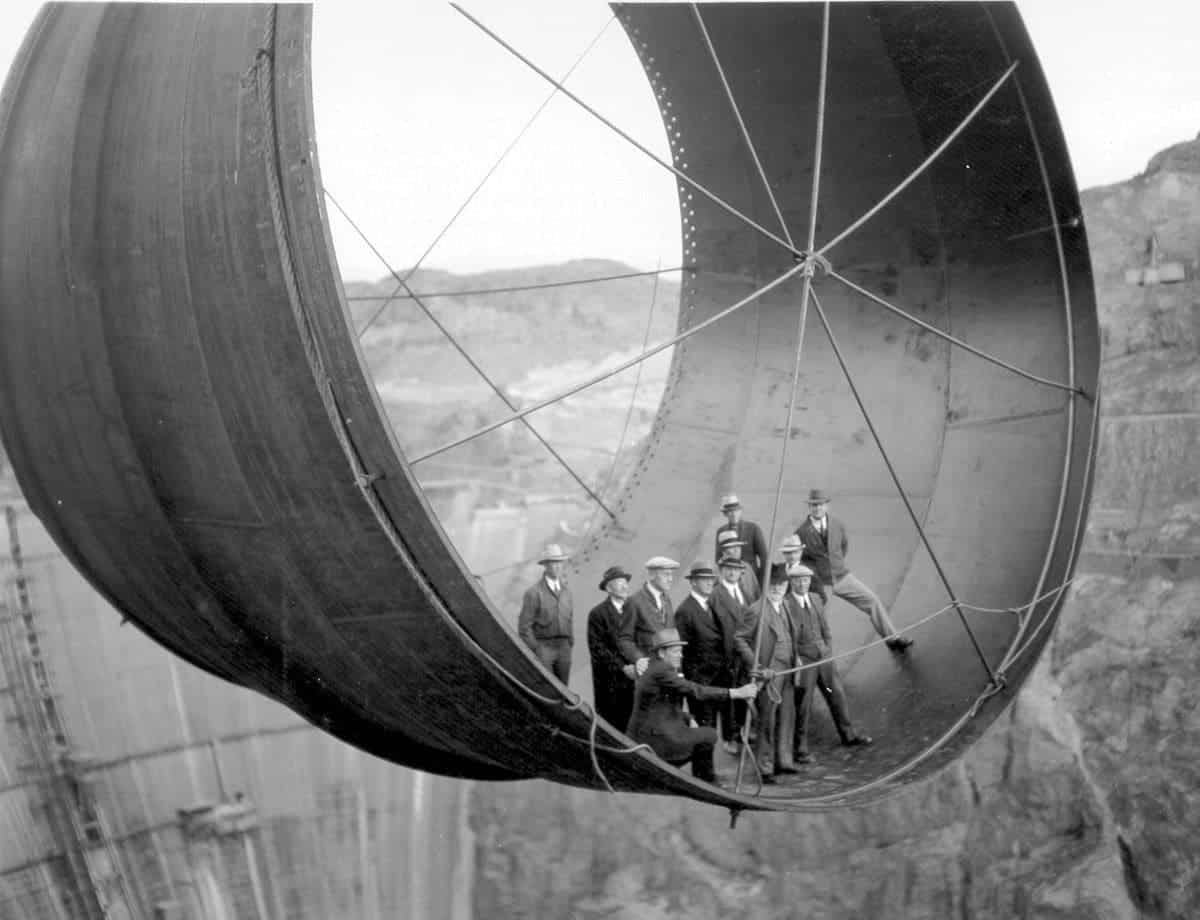
One of the biggest challenges was the risk of catastrophic failure, as the Hoover Dam was being built in an area that was prone to earthquakes and other natural disasters. The engineers and workers had to take extra precautions to ensure the stability and safety of the dam, incorporating special measures to protect against potential disaster.
The harsh desert environment also presented significant difficulties, as workers had to endure extreme heat, dust storms, and other harsh conditions. The remote location of the dam site also meant that workers had to live in temporary camps, away from their families and communities, making the job even more challenging.
/images/uploads/HOOVER-DAM-FEATURED.jpg)
Despite these challenges, the workers and engineers who built the Hoover Dam were determined to complete the project. Through their tireless efforts, they were able to overcome these obstacles and build one of the greatest engineering feats of the 20th century.
Completion and dedication of the Hoover Dam
After years of planning and construction, the Hoover Dam was finally completed in 1936. The dedication ceremony was attended by thousands of people, including President Franklin D. Roosevelt, who praised the dam as a symbol of American ingenuity and determination.
The Hoover Dam was a major milestone in American engineering, a testament to the power of human effort and the limitless potential of the human spirit. Its completion marked the end of a long and challenging journey, and the beginning of a new era of growth and prosperity in the American West.
In the years following its completion, the Hoover Dam continued to play a critical role in the development of the region, providing a reliable source of water and power that helped support the growth of cities like Las Vegas and spur economic development throughout the American West.
Today, the Hoover Dam remains an iconic structure, attracting millions of visitors every year who come to marvel at its beauty and grandeur. Its completion and dedication stand as a testament to the power of human effort and the limitless potential of the American spirit, a symbol of the enduring legacy of one of the greatest engineering feats of the 20th century.
Economic impact on Las Vegas
The Hoover Dam had a profound and lasting impact on the economic development of Las Vegas. The dam’s hydroelectric power plant provided the city with a reliable source of energy, helping to spur growth and development in a region that was previously considered inhospitable and remote.
In addition, the creation of Lake Mead, the largest man-made lake in the country, brought thousands of tourists to the area for recreation and relaxation. This increased tourism provided a major boost to the local economy, supporting the growth of businesses and services that catered to visitors.
The Hoover Dam also created jobs, attracting thousands of workers to the area who helped build the dam and later stayed to build new homes and businesses. This influx of people and investment helped to establish Las Vegas as a center of economic activity, setting the stage for its eventual transformation into one of the most vibrant and dynamic cities in the country.
Today, the Hoover Dam continues to play a critical role in the economic development of Las Vegas, attracting millions of visitors every year who come to marvel at its beauty and grandeur. Its impact on the city has been far-reaching and profound, helping to shape its identity and establish it as a major center of economic activity and prosperity.
The Creation of Lake Mead and Its Impact on Tourism
The creation of Lake Mead, the largest man-made lake in the country, was a direct result of the construction of the Hoover Dam. The lake was formed by the impounding of the Colorado River behind the dam, creating a vast body of water that covered over 140,000 acres.
Lake Mead quickly became a popular destination for tourists, offering a wide range of recreational opportunities, including boating, fishing, and swimming. The clear, blue waters of the lake, surrounded by stunning desert scenery, provided a breathtaking backdrop for outdoor activities, and attracted thousands of visitors every year.
The creation of Lake Mead also had a major impact on the development of the tourist industry in the region, supporting the growth of hotels, restaurants, and other businesses that catered to visitors. This increased tourism helped to spur economic development and create new jobs, further boosting the local economy.
Today, Lake Mead remains one of the most popular tourist destinations in the country, attracting millions of visitors every year who come to enjoy its scenic beauty and abundant recreational opportunities. Its creation and impact on tourism stand as a testament to the transformative power of the Hoover Dam, and the profound impact that it has had on the American West.
The Engineering Legacy of the Hoover Dam
The Hoover Dam is widely regarded as one of the greatest engineering feats of the 20th century, showcasing the remarkable abilities of human ingenuity and determination. Its construction, which took place between 1931 and 1936, involved the excavation of millions of cubic yards of rock and earth, the placement of over 4 million cubic yards of concrete, and the installation of over 30,000 tons of steel and other materials.
The Hoover Dam’s impact on engineering has been profound, influencing the development of large-scale construction projects throughout the world and inspiring future generations of engineers and builders. Its design and construction provided critical lessons in the management of complex engineering projects, and its innovative approaches to concrete construction and dam design have been widely studied and emulated.
The Hoover Dam’s engineering legacy is also reflected in the numerous technical innovations that were developed during its construction, including the use of large-scale concrete mixers, cranes, and other construction equipment. These innovations paved the way for the development of new construction techniques and technologies, and have had a lasting impact on the engineering profession.
Today, the Hoover Dam remains one of the most visited tourist attractions in the country, attracting millions of visitors every year who come to admire its stunning architecture, and to marvel at the feat of engineering that it represents. Its legacy as a major engineering achievement continues to inspire and inform, and it remains a source of pride for the American people and a testament to the power of human ambition.
The Cultural Legacy of the Hoover Dam
The Hoover Dam has had a profound impact on American culture, serving as a symbol of American ingenuity, determination, and resilience. Its construction was a major event in the country’s history, inspiring a sense of pride and patriotism in the American people and helping to cement the nation’s identity as a leader in technological and engineering achievement.
In the years following its construction, the Hoover Dam has been depicted in numerous films, books, and other works of art, further cementing its place in American culture and popular imagination. The dam’s sleek, modernist design and its towering stature have inspired artists, writers, and filmmakers, who have used it as a backdrop for countless works of fiction and nonfiction.
The Hoover Dam has also played a role in the development of the American tourism industry, attracting millions of visitors each year who come to admire its stunning architecture, and to marvel at the feat of engineering that it represents. The dam’s impact on tourism has been particularly profound in the surrounding region, helping to spur the growth of cities like Las Vegas and providing an important source of economic development for the local communities.
Today, the Hoover Dam remains an important symbol of American ingenuity, determination, and resilience, and its cultural legacy continues to inspire and inform. It remains a source of pride for the American people, and a testament to the power of human ambition and the enduring spirit of the American people.
The Environmental Legacy of the Hoover Dam
The Environmental Legacy of the Hoover Dam The Hoover Dam has had a significant impact on the surrounding environment, both positive and negative. On one hand, the creation of Lake Mead, which was formed by the damming of the Colorado River, has provided a valuable source of water and hydroelectric power for the region. On the other hand, the damming of the river has had a major impact on the local ecosystem, disrupting the flow of water and altering the balance of the local ecosystem.
One of the most significant impacts of the Hoover Dam has been the decline in the health of the Colorado River Delta, which was once a thriving ecosystem that supported a rich diversity of plant and animal life. The damming of the river has reduced the flow of water to the delta, leading to the loss of habitats and the decline of species that once thrived in the region.
In recent years, efforts have been made to mitigate the negative impacts of the Hoover Dam on the environment, and to restore the health of the Colorado River Delta. These efforts have included the release of water into the delta, the removal of invasive species, and the restoration of native habitats. While these efforts have had some success, much work remains to be done to ensure the long-term health and resilience of the local ecosystem.
Despite the challenges posed by its environmental legacy, the Hoover Dam remains an important symbol of American ingenuity, determination, and resilience. Its impact on the environment is a testament to the complex interplay between human ambition and the natural world, and a reminder of the importance of balancing human needs with the needs of the environment.
Sustainability of the Hoover Dam and water supply
Sustainability of the Hoover Dam and Water Supply The Hoover Dam has played a critical role in the water supply of the American Southwest, providing a reliable source of water and hydroelectric power for the region. However, the dam’s impact on the water supply has been the subject of much debate and concern in recent years, as the demand for water in the region continues to increase and the impact of climate change threatens the long-term sustainability of the dam’s water supply.
One of the biggest challenges facing the Hoover Dam is the declining levels of Lake Mead, which has fallen dramatically in recent years due to reduced inflows of water from the Colorado River. This decline has raised serious concerns about the long-term sustainability of the dam’s water supply, and has led to calls for increased conservation and efficiency measures to ensure the long-term health of the river and the dam.
To address these challenges, a number of efforts are underway to ensure the long-term sustainability of the Hoover Dam and its water supply. These efforts include the development of new technologies to increase the efficiency of water use and distribution, the implementation of conservation measures to reduce water waste, and the exploration of alternative sources of water, such as desalination and wastewater treatment.
Despite these efforts, the future of the Hoover Dam and its water supply remains uncertain. However, with continued investment in sustainability and innovation, it is possible to ensure the long-term health of the dam, its water supply, and the communities that rely on them. The Hoover Dam will continue to play a critical role in the water supply and economic development of the American Southwest, and will remain a symbol of American ingenuity, determination, and resilience for generations to come.
Current State of the Hoover Dam
The Hoover Dam continues to be a major source of hydroelectric power for the American Southwest, generating electricity for millions of people in the region. The dam’s ability to harness the power of the Colorado River and convert it into clean, renewable energy has made it a critical component of the region’s energy infrastructure.
In addition to its role in energy generation, the Hoover Dam remains a popular tourist destination, attracting visitors from around the world who come to admire its massive size and beauty. The dam offers a unique perspective on the history of American engineering, and provides a glimpse into the challenges faced by the workers who built it in the 1930s.
Visitors to the Hoover Dam can explore the site’s extensive network of tunnels and galleries, as well as its visitor center, which houses a museum and exhibits showcasing the dam’s history and significance. From the dam’s iconic crest, visitors can enjoy panoramic views of Lake Mead, the surrounding desert landscape, and the distant mountains.
The Hoover Dam has also undergone a major renovation and modernization project in recent years to ensure its continued safety and reliability. This project has included upgrades to the dam’s electrical and mechanical systems, as well as the construction of a new visitor center that provides a unique perspective on the dam’s history and its role in the region’s water supply and power generation.
Today, the Hoover Dam remains a symbol of American ingenuity, determination, and resilience, serving as a testament to the power of human ambition and the natural world. Its ongoing relevance and significance make it an important destination for visitors and a critical component of the region’s energy and tourism industries.
The Relationship between the Hoover Dam and Las Vegas
he Relationship between the Hoover Dam and Las Vegas The Hoover Dam and Las Vegas have a relationship that has been shaped by the dam’s impact on the region’s water supply and economy. The creation of Lake Mead by the Hoover Dam has provided a critical source of water for the city, allowing it to grow and thrive as a major tourist destination. The dam’s ability to generate hydroelectric power has also been a key factor in the city’s growth, providing a reliable source of energy for the city’s many hotels, casinos, and other attractions.
However, the declining water levels of Lake Mead have raised serious concerns about the long-term sustainability of the city’s water supply, and have led to calls for increased conservation and efficiency measures to ensure the health of the river and the dam. The Hoover Dam and Lake Mead have become important symbols of the challenges facing the American Southwest, particularly with regards to water resources and climate change.
Despite these challenges, Las Vegas continues to be one of the fastest-growing cities in the American Southwest, attracting millions of visitors each year with its bright lights, world-class entertainment, and vibrant culture. The Hoover Dam remains a symbol of the city’s past, present, and future, representing the intersection of human ambition and the natural world, and serving as a reminder of the importance of balancing human needs with the needs of the environment.
As Las Vegas continues to grow and evolve, the Hoover Dam and Lake Mead will remain an important part of the city’s history and identity. The ongoing challenges facing the dam and the river will continue to shape the relationship between the city and the dam, reminding us of the importance of sustainable development and the delicate balance between human progress and the health of the environment.
Reflections on the Legacy of the Hoover Dam
The Hoover Dam is more than just a concrete structure that spans the mighty Colorado River. It is a symbol of human ambition, determination, and resilience, and its impact on the American Southwest continues to be felt to this day. For nearly a century, the dam has stood as a tribute to the ingenuity and resourcefulness of the American people, and its legacy continues to shape the region’s water supply, economy, and culture.
The creation of Lake Mead and its ability to generate hydroelectric power have been critical factors in the growth of Las Vegas, providing a source of water and energy that has allowed the city to become one of the fastest-growing metropolises in the American Southwest. The Hoover Dam has become a popular tourist destination, attracting millions of visitors each year who come to marvel at its size, scale, and engineering prowess. The dam has become an important part of the region’s history and identity, serving as a symbol of the intersection of human ambition and the natural world.
However, the Hoover Dam and Lake Mead have also faced a number of challenges in recent years, including declining water levels, increased demands on the river’s water resources, and the need for increased conservation and efficiency measures to ensure the long-term health of the dam and the river. These challenges serve as a reminder of the delicate balance between human progress and the health of the environment, and of the importance of finding sustainable solutions to these complex problems.
Despite these challenges, the Hoover Dam remains an enduring symbol of hope and resilience, reminding us of the power of human ingenuity and the ability to overcome seemingly insurmountable obstacles. Whether as a source of energy, a tourist destination, or a symbol of our collective heritage and identity, the Hoover Dam will continue to shape the American Southwest and its people for generations to come.
In conclusion, the Hoover Dam is a testament to the power of human ambition and determination, and its legacy will continue to be felt for generations to come. As we look to the future, it is important that we continue to find sustainable solutions to the challenges facing the dam and the river, and that we remain committed to preserving the legacy of this magnificent structure and the vital role it has played in the region’s history and development. The Hoover Dam will always be a symbol of hope, resilience, and the enduring spirit of the American people.

