
The Mojave Desert and Early Las Vegas
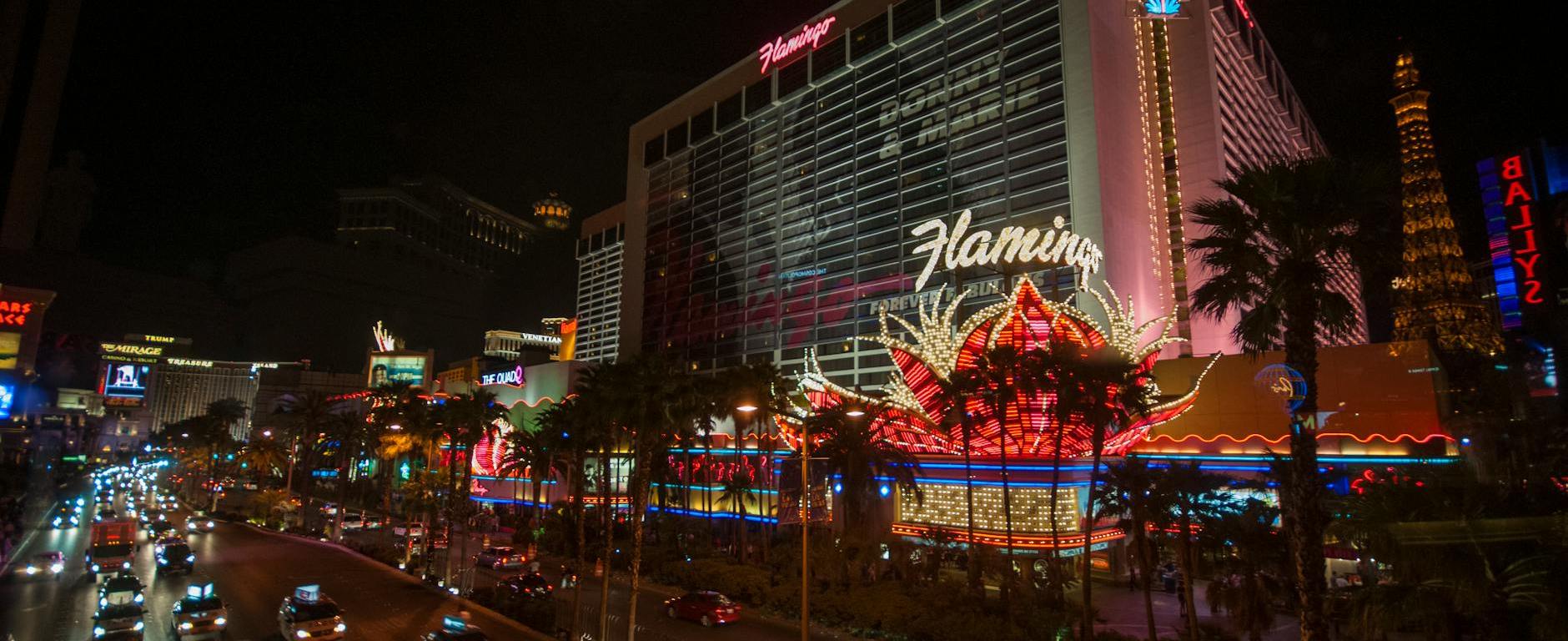
Long before the glittering lights of the Flamingo Hotel and Casino illuminated the desert nights, the Mojave Desert was a stark, rugged expanse of sand and rock. Early inhabitants, traders, and settlers all contributed to the area’s transformation, paving the way for what would one day become the entertainment capital of the world.
The Mojave Desert: An Ancient Landscape
The Mojave Desert, known for its striking beauty and harsh conditions, has existed for millions of years. Its ecosystem, characterized by hardy flora like creosote bushes and Joshua trees, provided a home to indigenous peoples such as the Southern Paiutes. These early inhabitants thrived in the region by mastering desert survival and leaving behind a rich cultural legacy that remains part of Nevada’s history.
For travelers and settlers, the Mojave was both a challenge and an opportunity. The Old Spanish Trail, which passed through the desert, became a crucial route for trade and migration, linking the Southwest with California. The rugged terrain and extreme temperatures defined the lives of those who traversed it.
Las Vegas Springs: A Natural Oasis
The area now known as Las Vegas was once a vital stopping point along desert trade routes. The Las Vegas Springs provided much-needed water, earning the region its name, which means “The Meadows” in Spanish. This natural oasis attracted travelers and settlers who saw the springs as a lifeline in the otherwise arid landscape.
By the late 19th century, the arrival of the railroad solidified Las Vegas as a hub for commerce and travel. It became a critical stop on the line connecting Los Angeles to Salt Lake City, bringing with it new opportunities for growth. This early development set the stage for the small town to evolve into a bustling city.
The springs are now part of the Las Vegas Springs Preserve, a site dedicated to preserving the area’s history and natural environment.
Early Las Vegas: A Frontier Town
In the early 1900s, Las Vegas was little more than a modest outpost in the desert. It became officially established in 1905, when land from the Union Pacific Railroad was auctioned off. The town’s location near the Hoover Dam project brought an influx of workers, turning it into a lively community.
The legalization of gambling in 1931 marked a turning point for Las Vegas. While initially dominated by small, unassuming establishments, this period planted the seeds for the casino culture that would later define the Strip.
One of the first notable casinos, The Meadows, opened in 1931, offering a mix of gambling, music, and entertainment. The early venues were modest compared to the luxurious casinos we associate with the city today, but they laid the groundwork for what was to come.
From Desert to Destination: The Flamingo’s Arrival
When the Flamingo Hotel and Casino opened in 1946, it marked the start of a new era for Las Vegas. While early establishments like The Meadows had helped create a gambling scene, the Flamingo elevated the city’s image, transforming it into a glamorous destination.
This shift from frontier town to world-class entertainment hub can be attributed to visionaries like Bugsy Siegel, who saw the potential to turn the desert into an oasis of luxury. The Flamingo’s success inspired the development of iconic resorts like Circus Circus and The Venetian, forever changing the landscape of Las Vegas.
Legacy of the Pre-Strip Era
Today, the Mojave Desert and early Las Vegas serve as reminders of the area’s resilience and transformation. Sites like the Hoover Dam and the Las Vegas Springs Preserve offer a glimpse into the city’s roots, celebrating the people and landscapes that shaped its history.
While the Flamingo and other modern resorts symbolize luxury and entertainment, they owe their existence to the rugged pioneers who braved the desert and laid the foundation for what Las Vegas would become.
Let me know if there are any specific details or links you’d like me to add!

